Contact lenses are safer than they have ever been, and nearly all the trouble they cause traces back to the same few habits: wearing them too long, cleaning them too casually, and letting water get involved. Mooresville has no shortage of all three temptations, with Lake Norman summers inviting exactly the swimming-in-lenses behavior doctors warn about. The good news is that the safe routine is short, and wearers at practices like Grace Vision Care hear the same list because it works.
- Wash and dry your hands before touching lenses, every time. Wet hands transfer water to the lens and your eye.
- Respect the replacement schedule on your prescription. A monthly lens worn for six weeks is a dirty lens, whatever it looks like.
- Rub and rinse reusable lenses with fresh solution, even if the bottle says no-rub. The rubbing does measurable cleaning work.
- Never top off solution in the case. Dump it, rinse the case with fresh solution, and leave it open and upside down to air dry.
- Replace the case regularly, typically every one to three months. Cases grow biofilm that solution alone cannot fix.
- Keep lenses out of water entirely: no swimming, showering, or hot tubs in lenses, and never rinse or store them in tap water.
- Do not sleep in lenses unless your doctor has prescribed that specific lens and schedule for your eyes.
- Give your eyes a glasses break. A few waking hours a day out of lenses is healthy for the cornea.
Why water is the rule that matters most
Tap water, lake water, and pool water all carry microorganisms, including one called Acanthamoeba that causes a rare but severe corneal infection strongly associated with water exposure in contact lenses. Soft lenses also absorb water and swell, changing fit. On Lake Norman this is practical, not theoretical: keep a pair of glasses in the boat bag, or ask your doctor about daily disposable lenses for swim days so a lost or contaminated lens is simply thrown away.
Comfort problems are information
Lenses that have become uncomfortable after months of comfort are telling you something: deposits, a changed fit, dry eye developing, or a solution your eyes dislike. The answer is rarely to push through. Redness, pain, light sensitivity, or discharge in a lens wearer means lenses out and a call to the eye doctor the same day. Infections move fast in corneas, and a day of waiting is the difference between drops and damage.
The annual visit is part of the routine
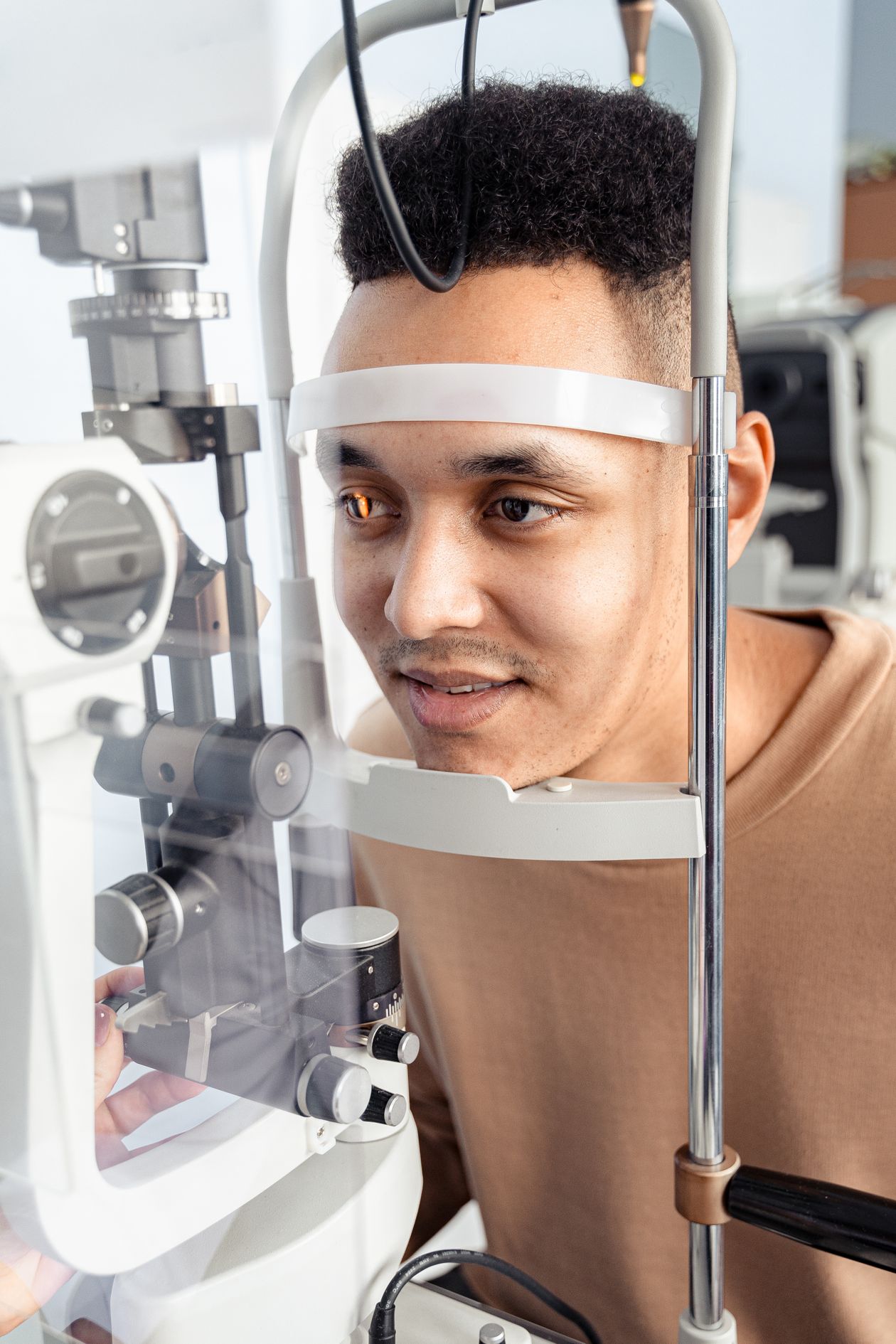
A contact lens prescription is not a glasses prescription with a brand name attached. It includes the fit, and fits change as eyes change. The yearly exam confirms the cornea is tolerating lens wear well, which is the whole basis for wearing them safely for years.
Travel, sports, and the case for daily lenses
Some wearing patterns punish reusable lenses. Travel strips away routines and clean water discipline at the same time. Sports add sweat, dust, and the occasional lost lens in a lake or on a field. For Mooresville wearers with active summers, daily disposables solve these situations structurally: a fresh sterile lens every morning, spares in every bag, and nothing to clean in a hotel sink. Many patients keep monthlies for ordinary weeks and dailies for trips and swim season, a mix worth discussing at your fitting rather than improvising.
When it is time to change lens type
Lenses that fit your eyes at twenty may not suit them at thirty-five. Presbyopia brings multifocal designs into the conversation. Developing dry eye suggests different materials or wearing schedules. Astigmatism that was tolerable uncorrected in a soft spherical lens may deserve a toric fit. These are fitting decisions, and they are the practical reason the annual lens exam exists: not to sell another box of the same lenses, but to catch the moment the same lenses stop being the right ones.
Common questions
Can I rinse a dropped lens in water in a pinch?
No. Use fresh solution if you have it. If you do not, the honest options are a new lens or glasses for the day. Water is the one shortcut not to take.
Are daily disposables really safer?
They remove cleaning and case problems from the equation and start each day sterile, which is why many doctors steer busy or younger wearers toward them.
My eyes feel dry by evening. Is that normal?
Common, especially with screens, air conditioning, and pollen season in the Piedmont. Tell your doctor, since lens material changes, rewetting drops approved for lenses, or a schedule change usually fixes it.
Photos in this guide are representative stock images.
← All guides from Grace Vision Care← Back to Grace Vision Care