Dry eye is the most misnamed condition in the Mooresville summer. Eyes that burn, sting, feel gritty, and then water heavily in a breeze are usually described by their owners as anything but dry. The watering is part of the disease: a reflex flood of watery tears in response to a surface that is not being protected properly between blinks. Understanding that mechanism explains why the fix is rarely just a bottle of drops.
The oil glands run the show
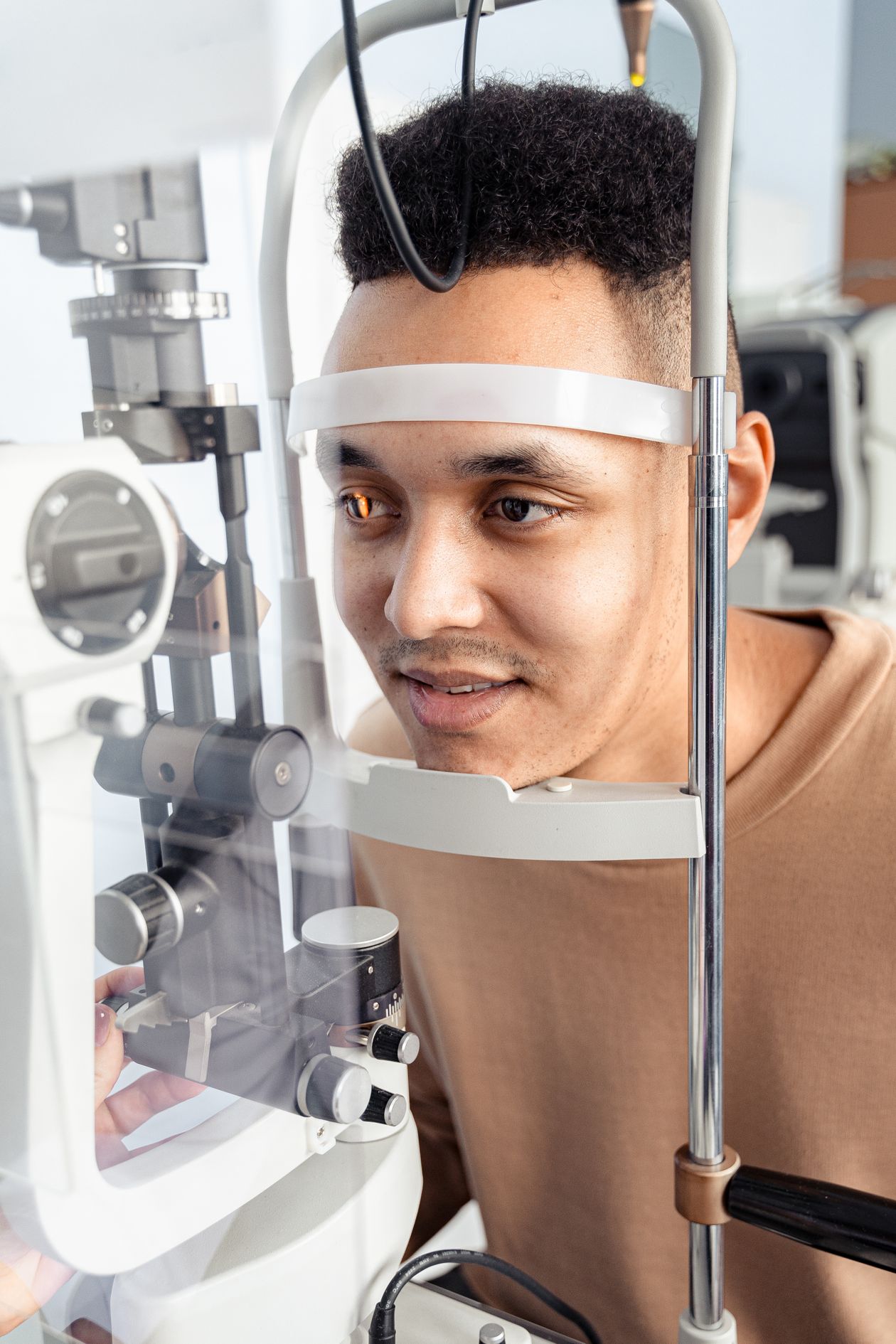
A healthy tear film is layered, and the thin oil layer on top, produced by small glands in the eyelids, keeps the watery layer from evaporating. When those glands clog or underproduce, tears evaporate too fast and the eye dries between blinks, no matter how much water it makes. This evaporative form is the most common dry eye, and it responds to warm compresses that soften the oils, lid hygiene, and in-office treatments when home care is not enough, rather than to ever-stronger drops.
The local aggravators
The Piedmont supplies triggers generously. Spring and fall pollen add an allergic layer that makes borderline eyes miserable. Summer air conditioning and winter heating both dry indoor air. Screens cut blink rates by two-thirds. Contact lenses split the tear film in half. And the region's favorite pastime, a full day on Lake Norman in wind and reflected sun, is a dry eye stress test. Sunglasses that wrap help more outdoors than most drops do.
What to try, and when to stop trying
Start with preservative-free artificial tears used regularly rather than occasionally, warm compresses daily if your doctor suspects the oil glands, and the screen habits: breaks, screen slightly below eye level, and a room humidifier where you sleep. Give a routine a few weeks. Then, if burning, redness, or fluctuating vision persists, get examined at a practice like Grace Vision Care. Persistent dry eye has causes worth naming, including gland dysfunction, medication effects, and autoimmune conditions, and treatment aimed at the named cause works better than a second year of drops.
Causes worth mentioning at your appointment
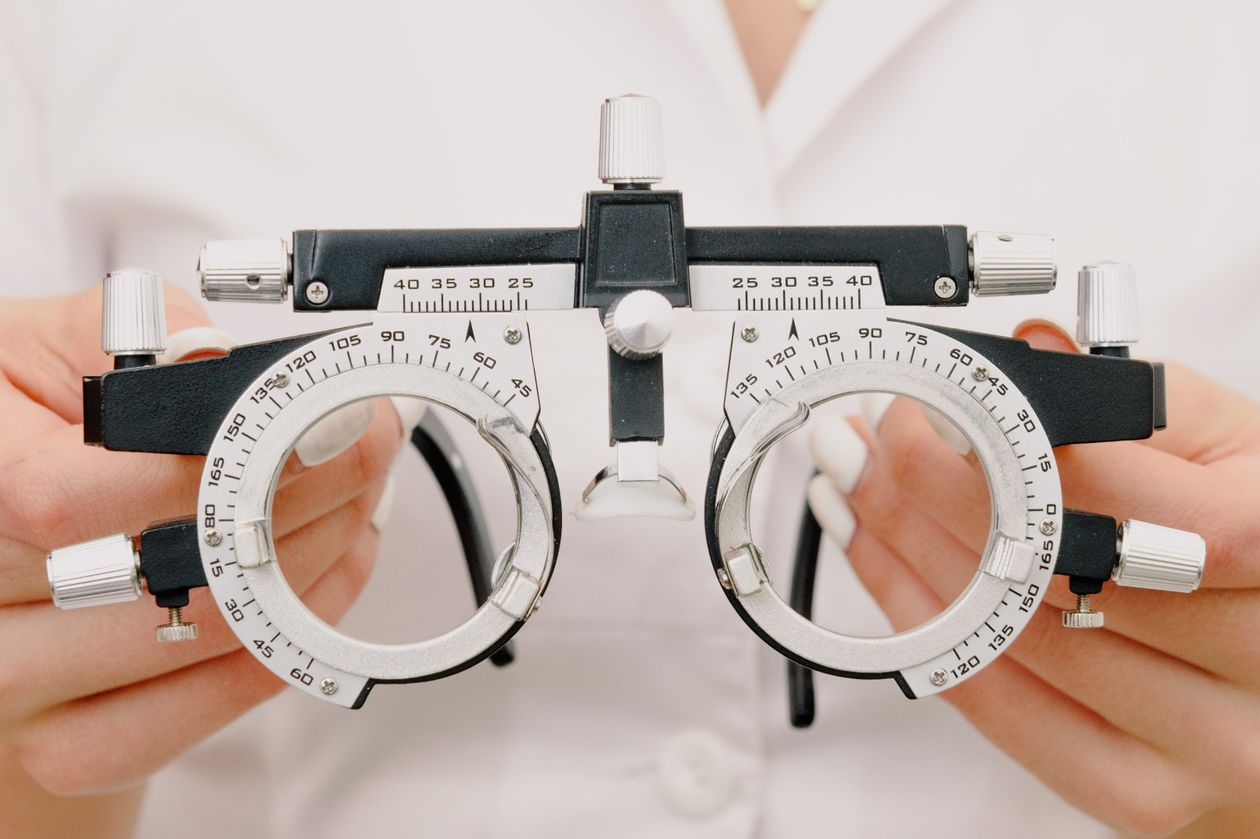
Dry eye is a symptom with a long list of drivers, and the useful ones to tell your doctor about include medications, since many common prescriptions reduce tear production; hormonal changes; previous eye surgery; autoimmune symptoms like dry mouth and joint pain; and long hours in contact lenses. Each points treatment in a different direction. Patients often arrive having tried three brands of drops and conclude their case is hopeless, when in fact the drops were all treating the water layer while the problem sat in the oil glands or in a medication list nobody had connected to their eyes.
A two-week home routine that tells you something
If your doctor suggests starting conservatively, make the trial count. Warm compresses for ten minutes daily, gentle lid cleaning, preservative-free tears on a schedule rather than on demand, and the 20-20-20 screen rule, done consistently for two weeks, separate the mechanical cases from the medical ones. Improvement that fades the moment the routine stops still counts as information: it confirms the glands and evaporation are the story, and it shapes what the next step should be. Bring that report back, not just a verdict that drops did not work.
It is also worth saying what dry eye is not: it is not usually an infection, it is not contagious, and it is not a sign you are doing something wrong with your screens or your home. It is a common surface condition with identifiable mechanics, and mechanics can be addressed. The patients who do best are the ones who stop treating it as weather, something to endure by season, and start treating it as a diagnosis with a plan.
Common questions
Why do my eyes water if they are dry?
The surface irritation triggers reflex tears, which are mostly water with little oil. They run off instead of coating the eye, so the dryness underneath stays untreated.
Are redness-relief drops a good daily fix?
No. Drops marketed to get the red out constrict blood vessels and can cause rebound redness with regular use. Use plain lubricating tears, ideally preservative-free, for daily comfort.
Can dry eye affect my vision test?
Yes. An unstable tear film makes vision fluctuate blink to blink and can shift measurements. Doctors may treat the surface first and refine a prescription afterward for accuracy.
Photos in this guide are representative stock images.
← All guides from Grace Vision Care← Back to Grace Vision Care