People put off eye exams for ordinary reasons: uncertainty about what happens, worry about the air puff, and a vague sense that it will take all afternoon. A comprehensive exam at a Mooresville practice like Grace Vision Care usually takes well under an hour, and knowing the sequence takes the mystery out of it. Each step answers a different question, and only one of them is about glasses.
- History and concerns. The visit starts with questions: your health history, medications, family history of eye disease, and what you have noticed, such as headaches, blur, or trouble with night driving. This steers what gets extra attention later.
- Visual acuity. The familiar letter chart, each eye separately, with and without your current glasses. This establishes how you actually see today, not how your prescription says you should.
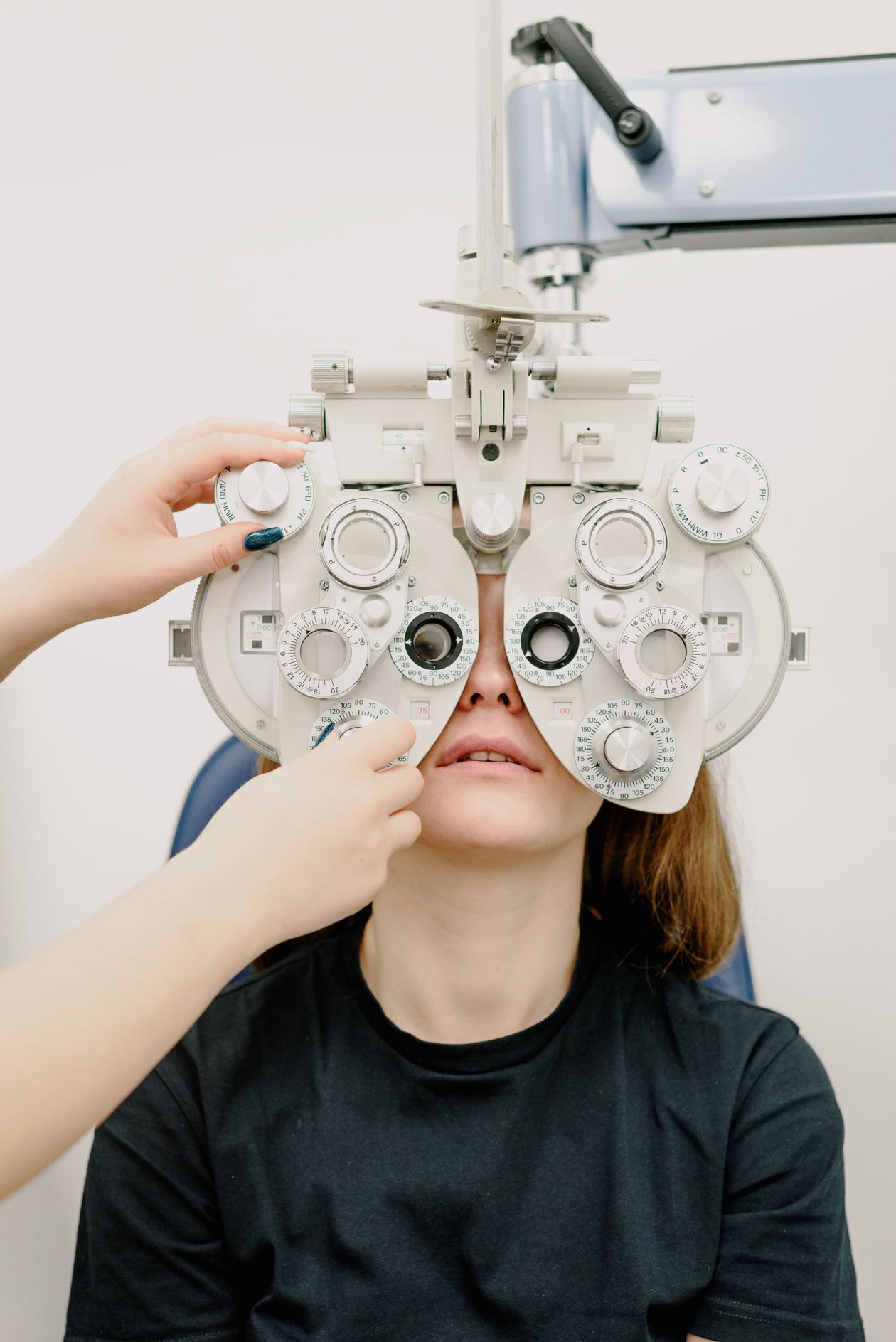
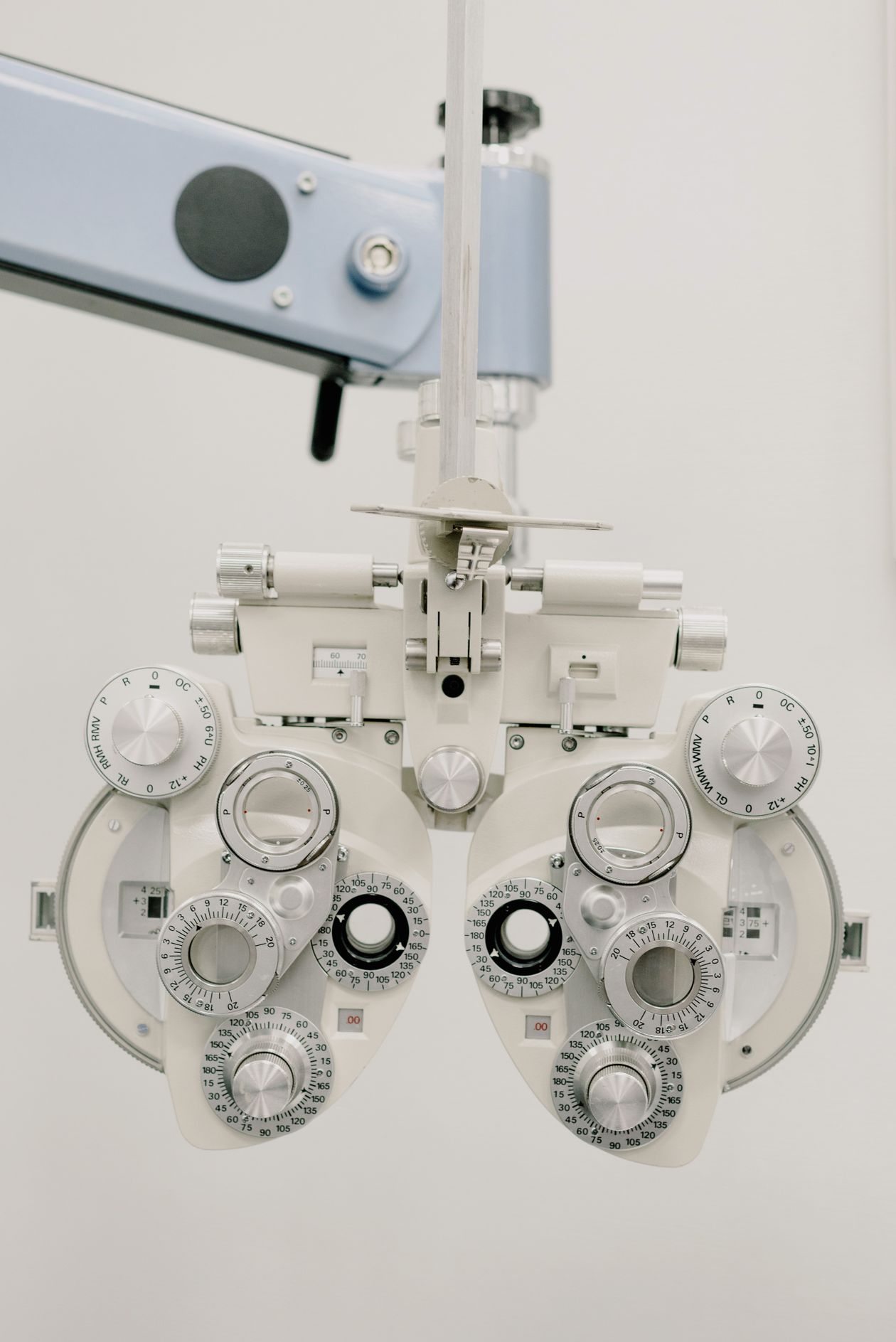
- Refraction. The which-is-better, one-or-two process with the phoropter, narrowing lens choices until the prescription is exact. Objective measurements from instruments usually give the starting point, and your answers refine it.
- Eye teaming and focusing tests. The eyes are checked for how well they work together and shift focus between distances, issues a chart alone will not reveal, especially in children and heavy screen users.
- Pressure check. Eye pressure is measured as part of glaucoma screening. Modern instruments often use a gentle method, and where an air puff is used, it is over in a blink. Pressure is one clue among several, not a diagnosis by itself.
- Health examination, often with dilation. Drops widen the pupil so the doctor can see the retina, optic nerve, and blood vessels at the back of the eye directly. This is where cataracts, macular changes, diabetic damage, and glaucoma signs are found.
- Results and plan. The visit ends with the prescription if you need one, frame or lens advice if you want it, and a clear statement of anything to watch and when to return.
The dilation question
Dilation makes eyes light-sensitive and blurs near vision for a few hours, which is why people ask to skip it. Understand what it buys: without a wide pupil, the view of the retina is a keyhole. With one, the doctor sees the tissue where serious diseases start. Some practices offer wide-field retinal imaging as a partial alternative or addition, but when a doctor recommends dilation for a specific look, it is because something in your history or a first glance earned a closer inspection.
How to prepare
Bring your current glasses and, if you wear contacts, your lens information or boxes. Bring a list of medications. If you expect dilation, consider sunglasses for the drive home and avoid scheduling detail work immediately after. And bring the specific complaints, even the ones that sound minor. The pattern of when blur happens is diagnostic information.
Tests that may be added for your eyes specifically
Not every exam is identical, because histories differ. A visual field test maps peripheral vision and is common when glaucoma is a question or a family risk. Retinal imaging photographs the back of the eye for a record that can be compared year to year. Color vision and depth perception testing come up for children, certain careers, and specific complaints. Tear film and eyelid checks get added when dryness is the presenting problem. None of these mean something is wrong; they mean the doctor is following a thread your history or an earlier test laid down, and each takes only minutes.
After the exam: turning a prescription into glasses
If the exam ends with a prescription, the optical step matters more than people expect. A prescription is a set of numbers; turning it into comfortable glasses requires measuring how the frames sit on your face, where your eyes center in the lenses, and, for progressive lenses, exactly where the zones fall. This fitting is why practices keep an optical shop alongside the exam rooms, with frames fitted to face shape rather than handed over in a tray. Skipping the fitting to save an errand is how good prescriptions become glasses that live in a drawer.
Common questions
Does an eye exam hurt?
No part of a routine exam should hurt. Drops may sting briefly, instruments come close without touching in most cases, and the brightest lights are momentary.
Can I drive after dilation?
Most people can, with sunglasses, but near vision and light sensitivity are affected for a few hours. If you are unsure, bring a driver or schedule accordingly.
How is this different from a quick vision test at a glasses store?
The full exam includes the health examination of the internal eye and the teaming and pressure checks. A refraction-only service measures the prescription and stops there.
Photos in this guide are representative stock images.
← All guides from Grace Vision Care← Back to Grace Vision Care